The designed future
The Cost of Digital Efficiency: Why Apple Music Chose Physical Creation Over Digital Ease
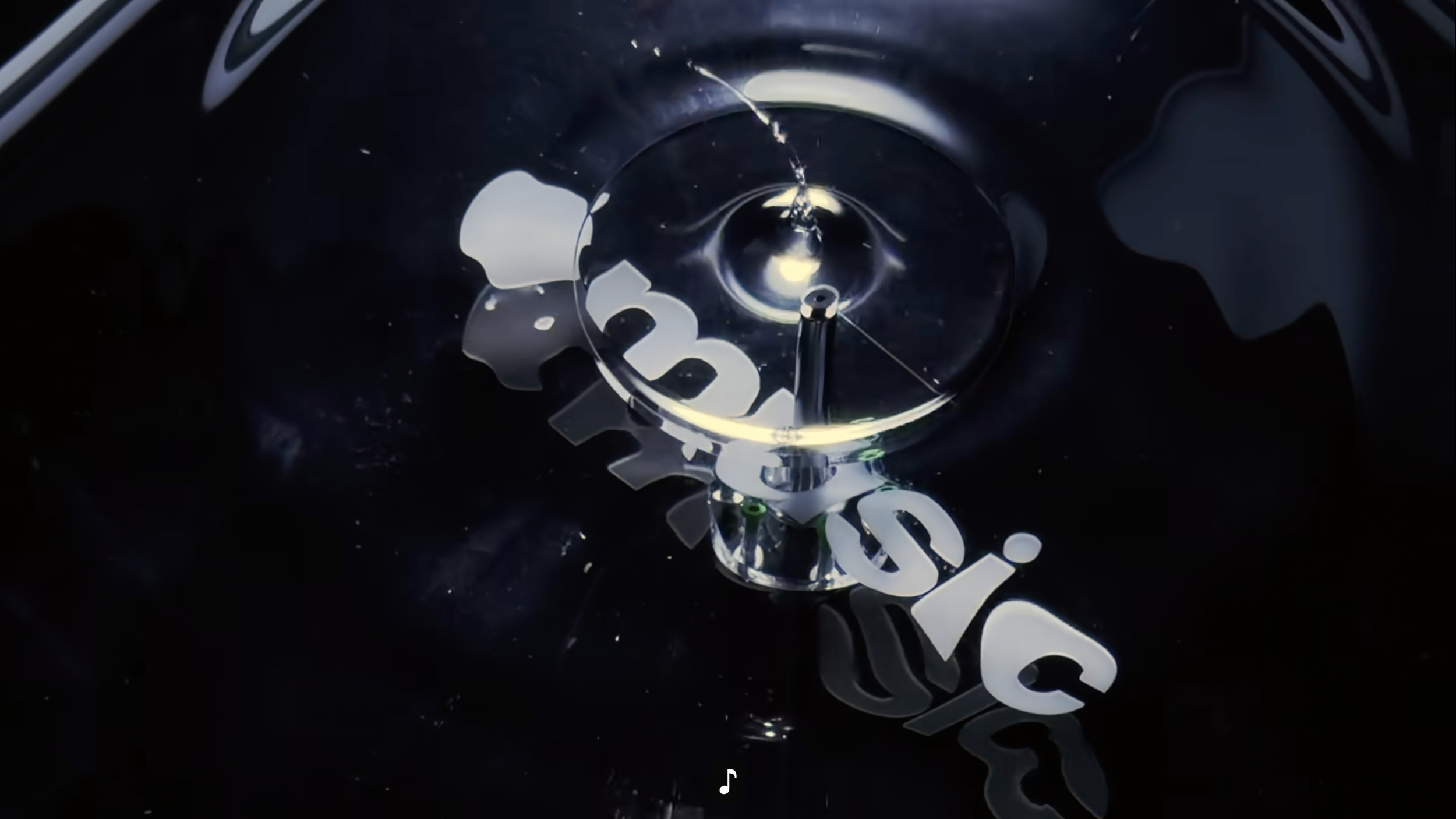
Apple Music just rebuilt its visual identity by pointing real sound waves at real liquid and filming what happened.
No simulation. Actual frequencies moving actual water, captured on camera over months of experimentation with mineral oil, acrylic props, and endless trial runs.
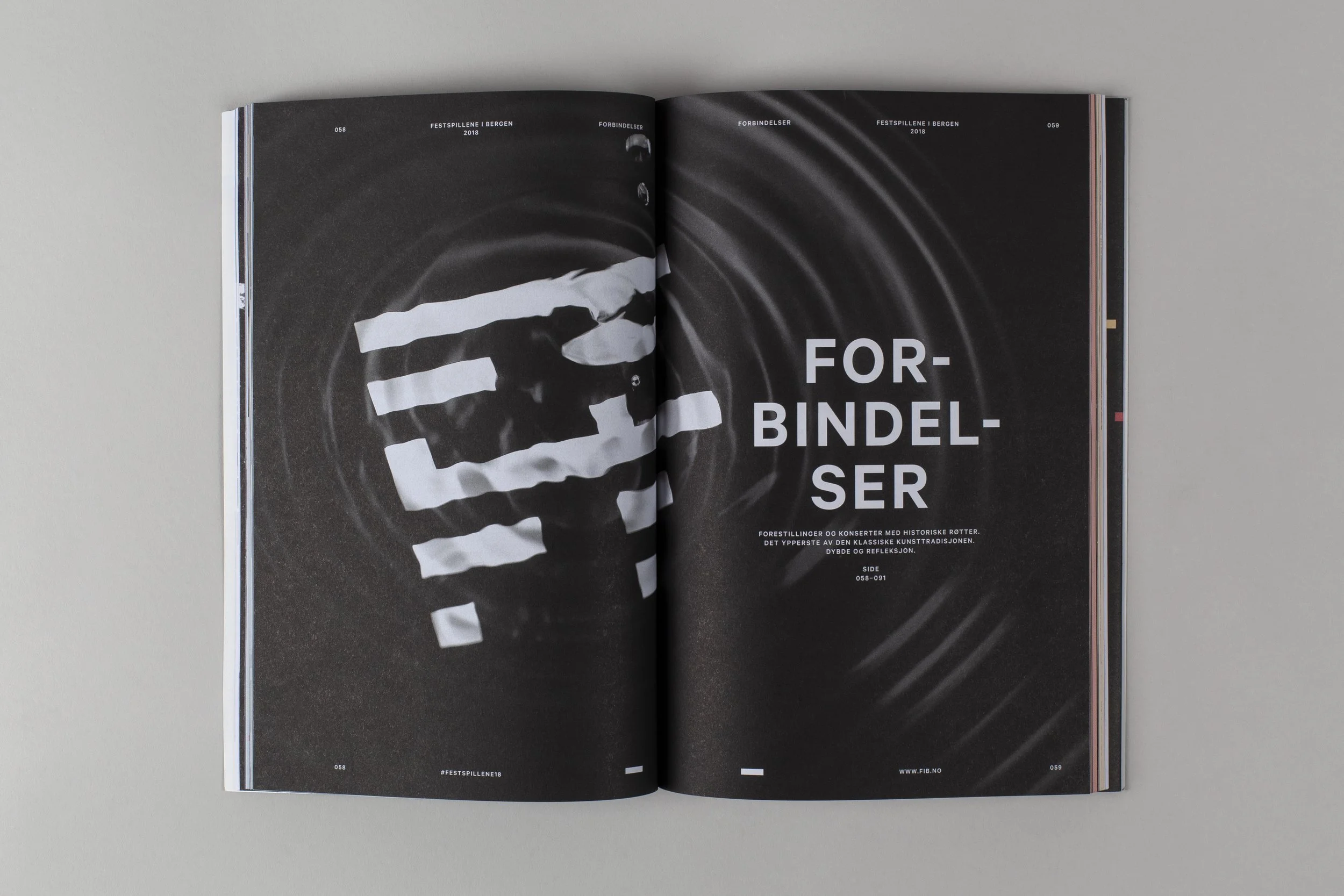
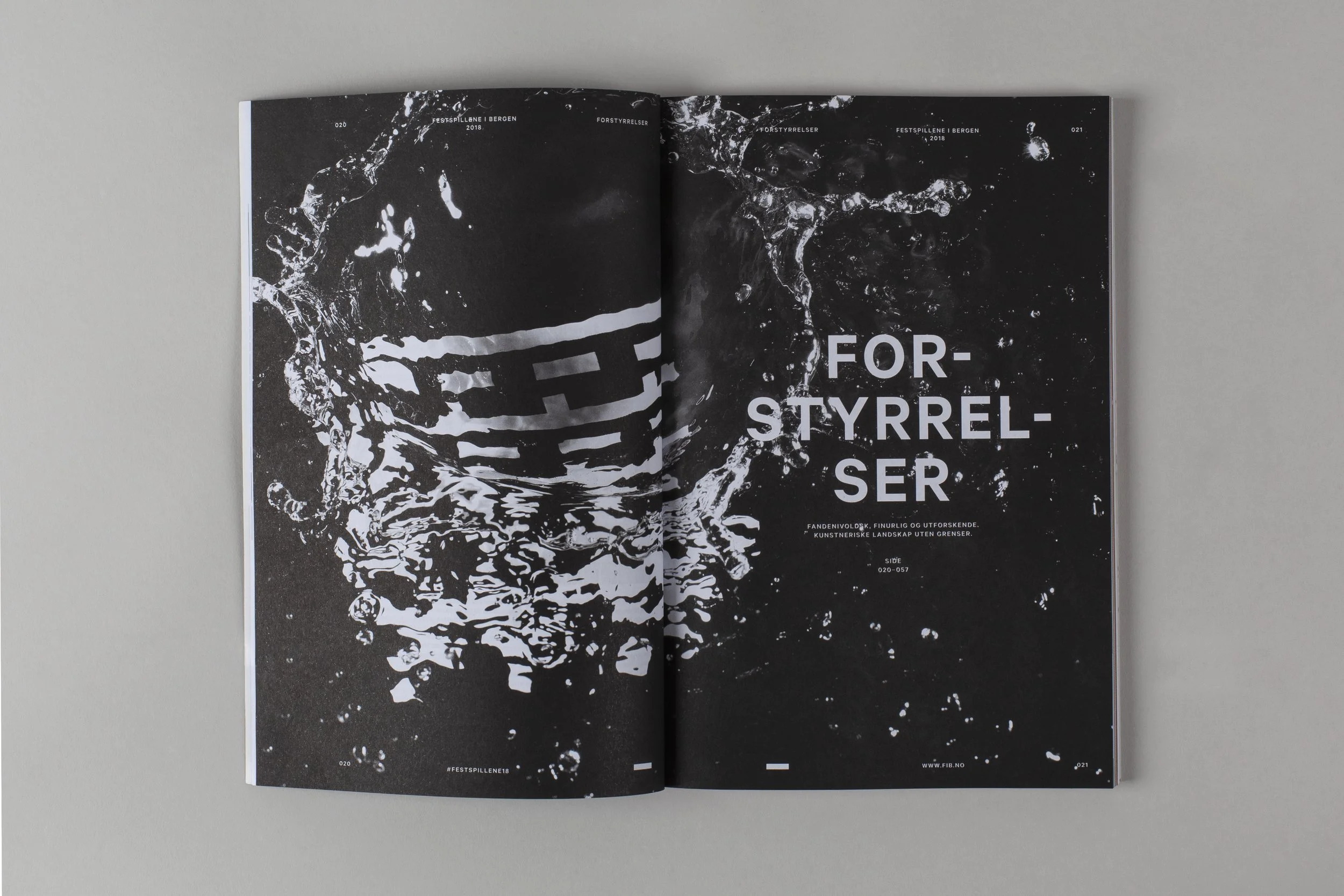
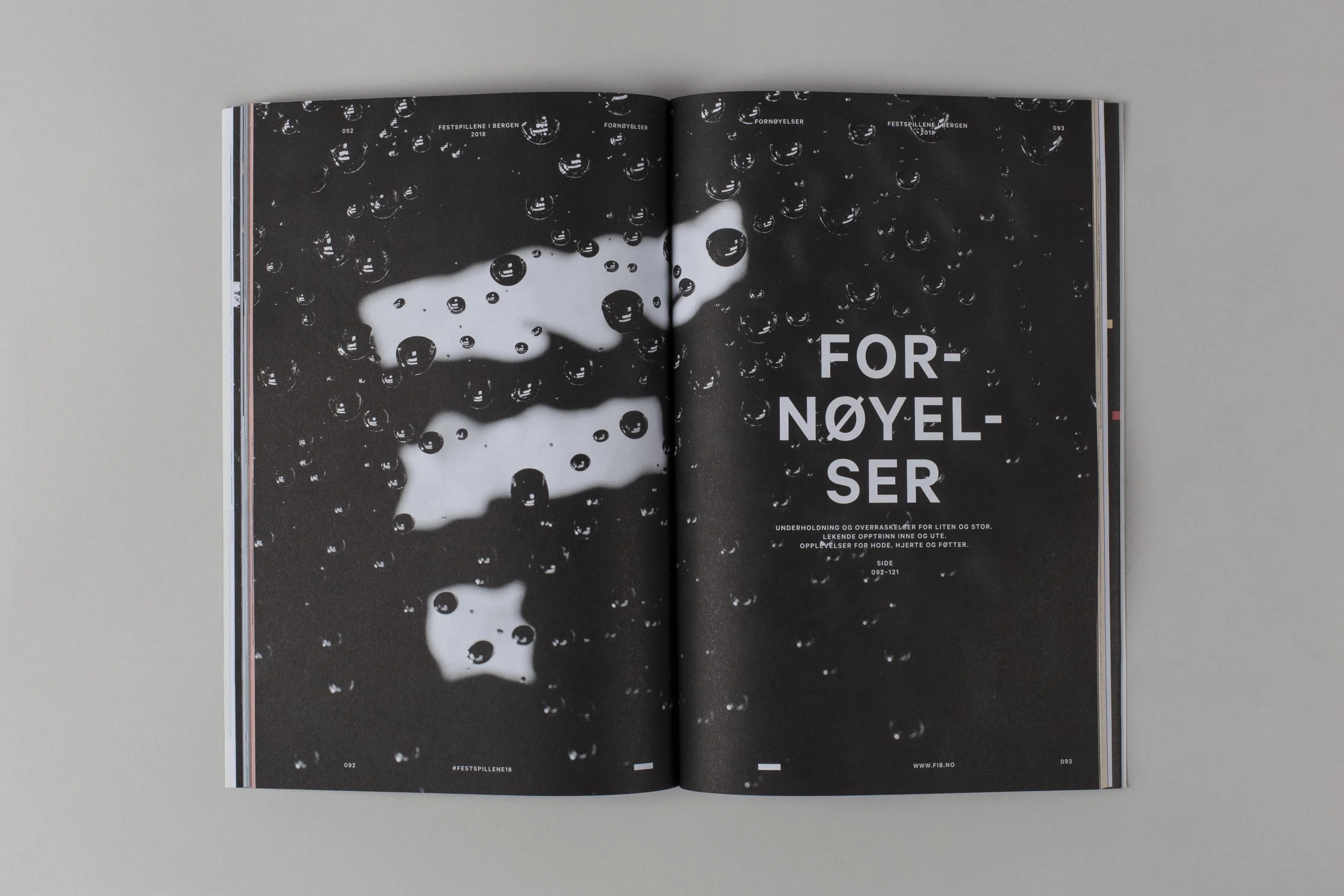
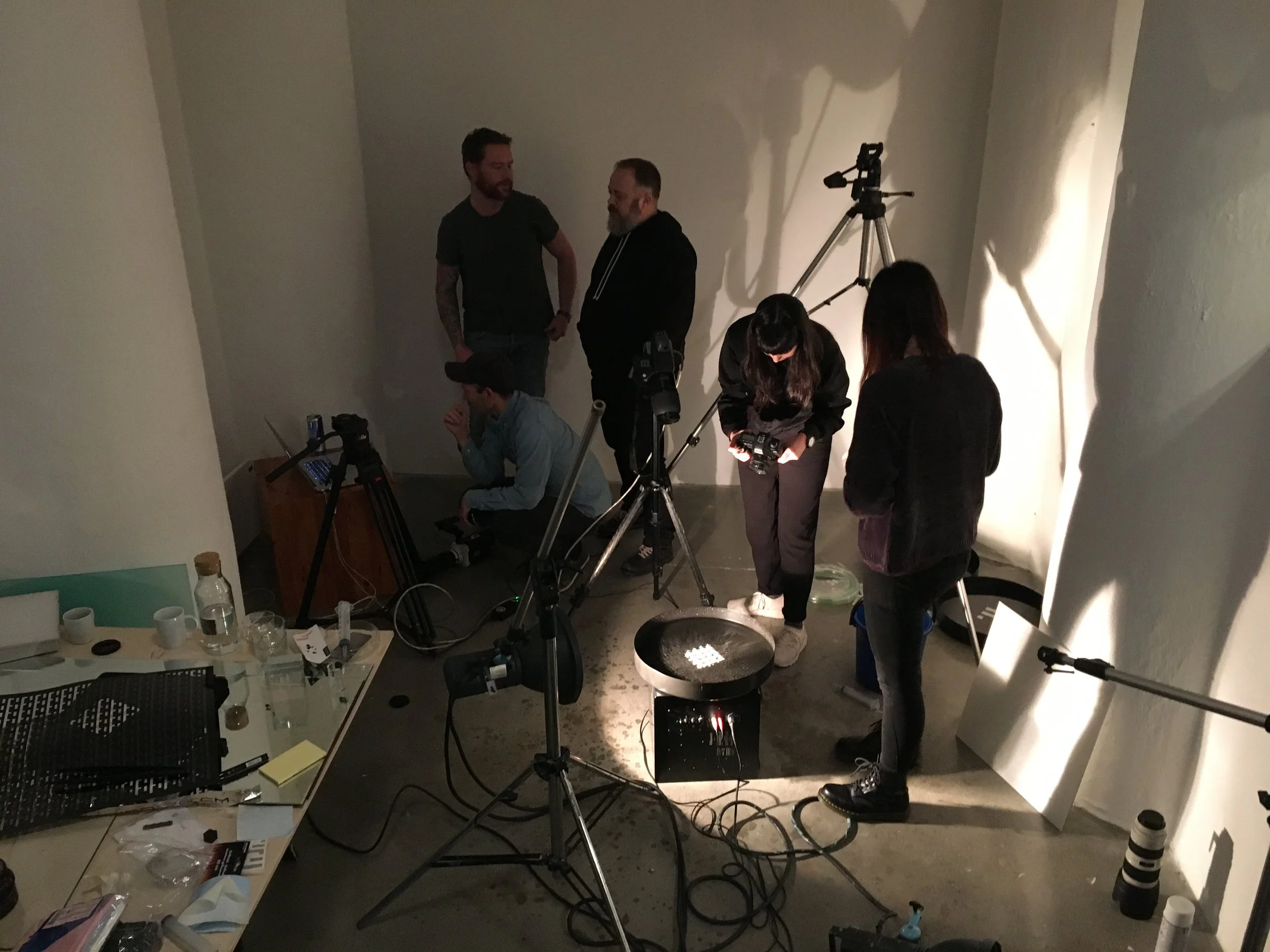
When I saw it, I felt something close to recognition. In 2018, my team at ANTI built a campaign for the Bergen International Festival using the same approach. We placed a black bowl of water on a subwoofer, played sound through it, and photographed the logo and brand pattern forms as they dissolved and reformed in the ripples.
We spent days in a dark studio getting it right. Today, a decent AI tool renders a convincing version of that effect in under a minute.
So Apple's choice raises a question worth sitting with. When the fast version exists, why pay for the slow one? I want to work through what I think the answer is, because it says a lot about where creative work is heading.
A Physical Record, Instead of an Illustration
Creative Review described the Apple mark precisely:
“The resulting waves, ripples and refractions were filmed to create the final mark: a physical record of the music, rather than just an illustration of it.”
That distinction matters more than it first appears. A simulation shows you what sound looks like. A physical record shows you what sound did.
Audiences sense this difference even when they can't name it. The imperfections of physical materials carry information. The water resists. The light behaves unpredictably. The result contains evidence of effort, constraint, and real-world physics that a render smooths away.
I remember this from our Bergen project. Half of what made the final images work came from accidents. A frequency that made the water jump in a way we hadn't planned. A reflection we didn't design. The material pushed back, and the pushback made the work better.
Digital tools remove the pushback. That feels like progress until you realize the pushback was doing creative work for you.
Human Effort Is Becoming a Luxury Signal
Apple's decision fits a broader movement among premium brands. As AI-generated content fills digital channels, luxury brands actively seek AI-proof environments and human-created work that algorithms can't replicate.
The logic is straightforward. Research on consumer perception found that when customers see an AI-generated ad, they subconsciously feel less human effort was involved. For brands built on artistry and exclusivity, that perception damages the entire value proposition.
One analysis of luxury's future put it this way:
“The presence of genuine human input is gaining renewed value. What's rare becomes desirable, and human time, intention, and imperfection might become the new markers of luxury.”
When anyone can generate professional-looking visuals instantly, generated visuals stop signaling value. Scarcity shifts to what machines can't fake: documented physical process, real time invested, visible human intention.
Apple spent months on something a prompt could approximate in seconds. That expenditure is the message. The brand is telling you it values music enough to let music physically shape its identity.
Idea for brand leaders: in a market flooded with infinite digital variation, a provably real creation process becomes a competitive asset. Document it. Show the studio, the failures, the hands.
The Efficiency Numbers Tell an Uncomfortable Story
The business case for defaulting to speed looks weaker than the hype suggests.
PwC's 2025 CEO survey found that 56% of chief executives cite measurable efficiency gains from generative AI, yet only 32% can correlate those gains with rising revenue. Faster output is clearly happening. More valuable output is a separate question.
Practitioners feel this too. Ascend2's January 2025 poll found 54% of marketers name loss of creativity and human touch as their primary concern about automation.
Efficiency and resonance are different metrics. You can optimize the first while quietly draining the second, and your dashboards won't show it for years.
What We Lose When the Struggle Disappears
This is the part I keep returning to, because it goes beyond brand strategy into how creative people develop.
Our Bergen project worked because of a specific structure. We had an eight-year client relationship that started in 2012, lasted until 2020, and produced a Cannes Grand Prix by 2014. That trust bought us an annual experimental brief. We had clear brand guardrails, and inside those guardrails, total freedom. Any idea could be tried and tested.
I'd call it collective play. Structured enough to be useful, open enough to surprise us.
The research on team creativity supports what we lived. Studies of collaborative innovation describe it as collective problem solving built on three capabilities: creative abrasion, meaning idea generation through debate, creative agility, meaning rapid experimentation, and creative resolution, meaning integrative decision-making. Research on group creativity also shows that longer time working together as a team amplifies the creative benefits of diversity.
Every one of those capabilities develops through friction with other people, in real time, on hard problems.
Now consider what the AI-assisted workflow replaces:
Peer debate becomes prompt iteration alone at a screen
Shared experimentation becomes individual output review
Informal mentorship during problem solving simply has no moment to occur
Team capability stops compounding, because only individuals touch the work